About बà¥à¤à¤à¥à¤¨
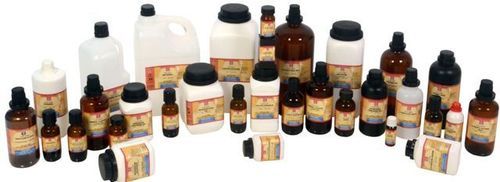
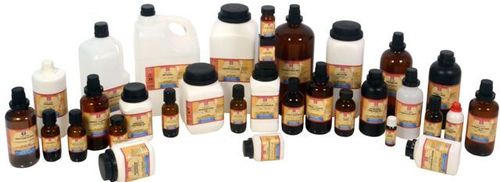
Being a remarkable organization, we bring forth a striking assortment of Benzene. It is used in chemistry laboratory mainly as an intermediate to make other chemicals. At our sound processing unit, we process this chemical using best quality compounds. It is used to make polymers and plastics like polystyrene and EPS. Benzene is widely used in chemical, pharmaceutical, textile, rubber and plastic industry. We make available this chemical for clients in different quantity packaging options. Also, we offer this chemical at pocket friendly prices.
Features:
- Colorless liquid
- Has sweet smell
- Soluble in alcohol
BENZENE (crystallizable) (CAS No.71-43-2) AL0601
(for synthesis)
Assay : Min. 99%
C6H6 M.W. 78.11, Liquid, d. 0.874
Key Features and BenefitsBenzene is valued for its exceptional purity, chemical stability, and versatility as an aromatic hydrocarbon. Commonly used as a laboratory reagent, solvent, and for the synthesis of various chemicals, its neutral pH and high vapor pressure make it effective for research and industrial purposes. Its reliable performance ensures accurate laboratory analysis and effective industrial applications.
Safe Handling and StorageBenzene is classified as toxic and highly flammable (Class 3 liquid). It should be stored in well-ventilated, cool, dry places away from all sources of ignition. Properly sealed in glass or HDPE bottles, it remains stable under recommended conditions for up to 36 months. Always use appropriate personal protective equipment and strictly follow local regulations for safe usage and disposal.
Applications and Usage GuidelinesThis chemical is essential in chemical synthesis, laboratory analysis, and as a solvent in research facilities. Usage procedures should adhere to laboratory or industrial requirements, ensuring both safety and efficacy. Benzene's solubility in alcohol and ether expands its utility across diverse scientific and manufacturing processes. Always review safety data before use.
FAQ's of Benzene:
Q: How should Benzene be safely stored in a laboratory or industrial setting?
A: Benzene should be stored in a cool, dry, and well-ventilated area, away from sources of ignition, heat, or open flames. Use only approved glass or HDPE bottles and ensure containers are tightly closed when not in use. Follow all safety and local regulatory guidelines when handling and storing to minimize health risks.
Q: What are the primary applications of Benzene in industry and laboratories?
A: Benzene is mainly used as a solvent, laboratory reagent, and as an intermediate in the synthesis of chemicals. It plays a critical role in chemical research, manufacturing, and laboratory analysis due to its high purity and chemical properties.
Q: When does Benzene expire and how long can it be stored before use?
A: Benzene has a shelf life of 36 months from the date of manufacture. Ensure containers remain sealed and stored under recommended conditions to maintain its purity and effectiveness until the stated 'Best Before' date.
Q: Where can Benzene typically be sourced for laboratory or industrial purposes?
A: Benzene is supplied by chemical dealers, exporters, manufacturers, retailers, suppliers, and traders, particularly in countries like India, where compliance with regulations ensures safe handling and quality assurance.
Q: What process is used to produce Benzene and what is its raw material?
A: Benzene is typically derived from petroleum or coal through industrial refining processes. It is then purified to meet laboratory-grade specifications necessary for scientific and industrial use.
Q: How is Benzene utilized to maximize benefit and ensure safety during chemical synthesis or analysis?
A: To derive the maximum benefit, use Benzene according to your laboratory or industrial protocol, adhering strictly to safety guidelines, including appropriate ventilation, use of protective equipment, and safe disposal. This ensures accuracy in experiments and minimizes exposure risks.


 English
 Spanish
 French
 German
 Italian
 Chinese (Simplified)
 Japanese
 Korean
 Arabic
 Portuguese



 जांच भेजें





 जांच भेजें

 जांच भेजें


