About à¤à¤°à¤¿à¤¥à¥à¤°à¥à¤¸à¤¿à¤¨ बà¥
CERTIFICATE OF ANALYSIS :-
- Name Of Item : ERYTHROSINE B
- Synonyms : Tetraiodofluorescein disodium salt
- C.I. No. : 45430
- Formula : C20H6I4Na2O5
- M.W. : 879.84
- Batch No. : E0062
- CAS NO. : 16423-68-0
- Cat. No. : AL2012 00100
- EC Number : 240-046-0
- MDL Number : MFCD00005044
- PubChem Substance ID : 24851985
- Composition : Dye content
- Bulk Density : 470 kg/m3
- Solubility : Spirit soluble
- Absorption : 533 nm max
- MP : 303 deg C
- FP : 285 deg C
- pH : 6 to 7
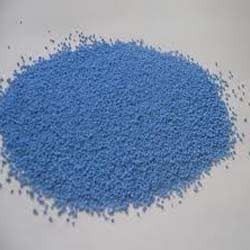
- Appearance : Dark red coloured powder
- Loss on drying : Max 10.0%
Results : The above product complies with LR grade
Synthetic Dye for Precision ApplicationsErythrosine B represents a reliable laboratory-grade dye, ideally suited for biological staining, microscopy, and select food coloring applications. Its high solubility in water ensures even, reproducible results, while its moderate lightfastness maintains color stability for analytical tasks. The product's impurity threshold below 2% guarantees consistent performance across research and industrial contexts.
Safe Handling and Storage AdvantagesThis pigment is classified as non-hazardous, simplifying workflows and minimizing lab risk. Erythrosine B maintains stability over time, provided it is stored in tightly closed, light-protective containers within cool, ventilated areas. With proper storage, the shelf life extends to a minimum of two years, supporting long-term usability and minimizing waste.
FAQ's of Erythrosine B:
Q: How should Erythrosine B be stored to maintain its quality?
A: Erythrosine B should be stored in a tightly closed container, protected from light, in a cool, dry, and well-ventilated area. Following these instructions helps preserve its stability and ensures a shelf life of at least two years.
Q: What are the common applications of Erythrosine B in the laboratory?
A: Erythrosine B is widely used as a biological stain in microscopy, tissue sample marking, and for analytical purposes. It is also utilized as a food coloring agent in research and testing environments.
Q: When is Erythrosine B most effectively used in research workflows?
A: Its efficacy is highest when water-soluble staining is required, especially for contrasting in biological samples or when a consistent, vivid red color is needed in research protocols.
Q: Where does Erythrosine B show optimal solubility?
A: Erythrosine B is highly soluble in water, allowing for straightforward preparation of staining solutions. It exhibits only slight solubility in ethanol and should not be used in solvents incompatible with its stability profile.
Q: What are the benefits of using laboratory-grade Erythrosine B over other grades?
A: Laboratory-grade Erythrosine B offers high purity (98%) and low impurities (2%), ensuring precise and reproducible results in scientific applications. This makes it suitable for sensitive analytical processes where dye consistency is crucial.
Q: How is Erythrosine B typically supplied and packaged for laboratory use?
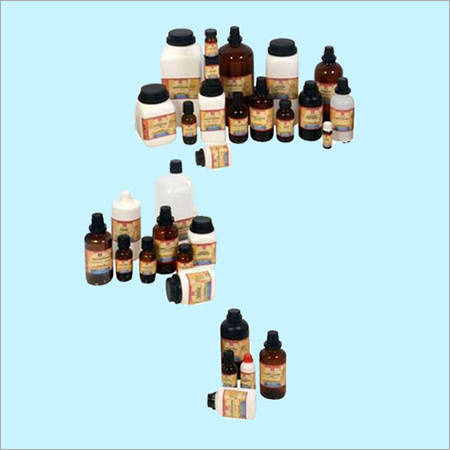
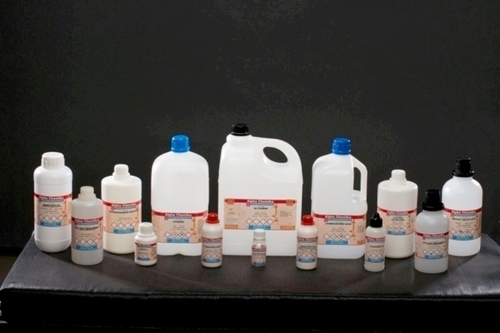
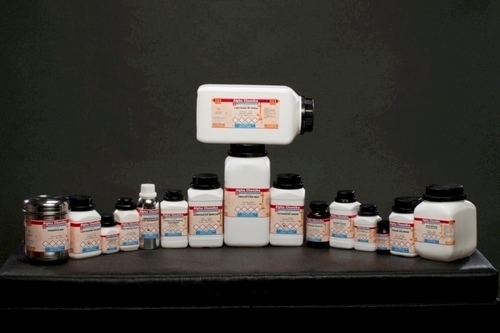
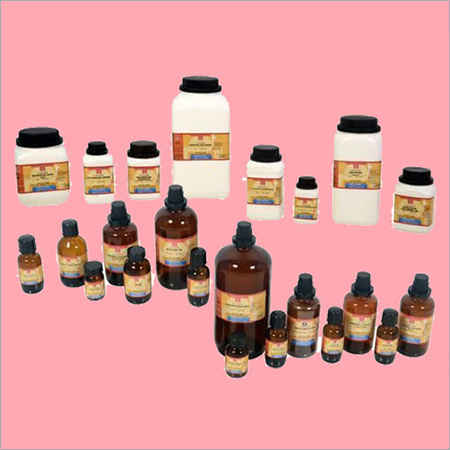
A: The product comes in powder form, packaged in plastic bottles or HDPE containers, available in 25g, 100g, 500g, and 1kg sizes to suit varying laboratory needs.
Q: What precautions should be taken while handling Erythrosine B?
A: Although not classified as hazardous, it is advisable to use appropriate personal protective equipment and avoid inhalation or ingestion. Always handle it within well-ventilated areas, adhering to good laboratory practices.


 English
 Spanish
 French
 German
 Italian
 Chinese (Simplified)
 Japanese
 Korean
 Arabic
 Portuguese



 जांच भेजें





 जांच भेजें

 जांच भेजें


