About पà¥à¤à¥à¤¶à¤¿à¤¯à¤® à¤à¤¯à¥à¤¡à¥à¤
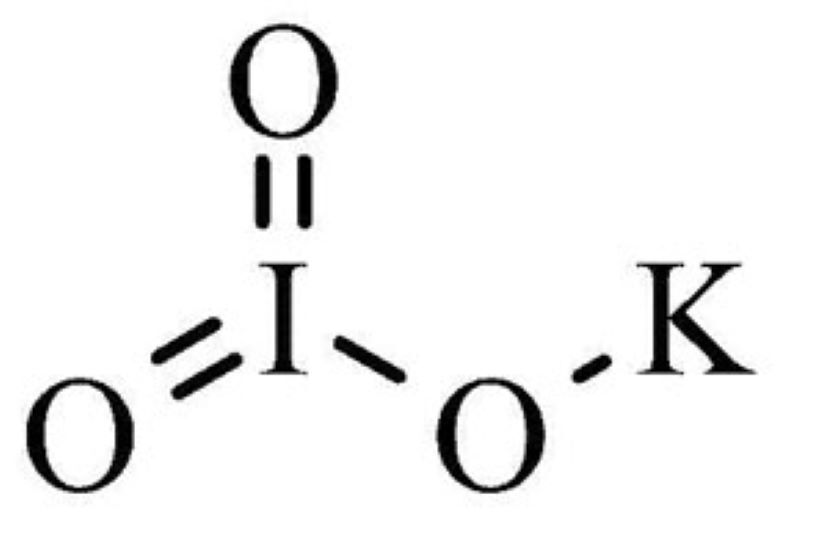
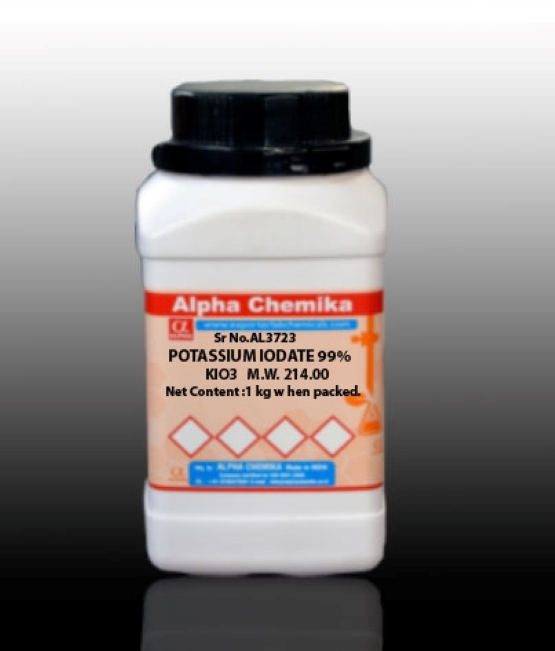
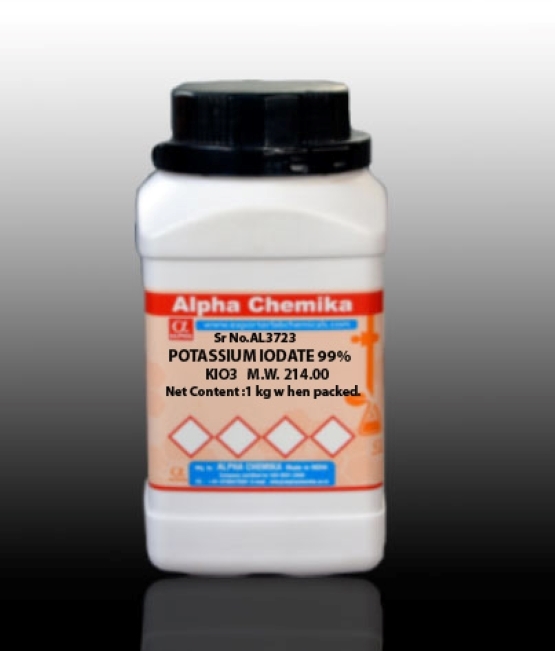
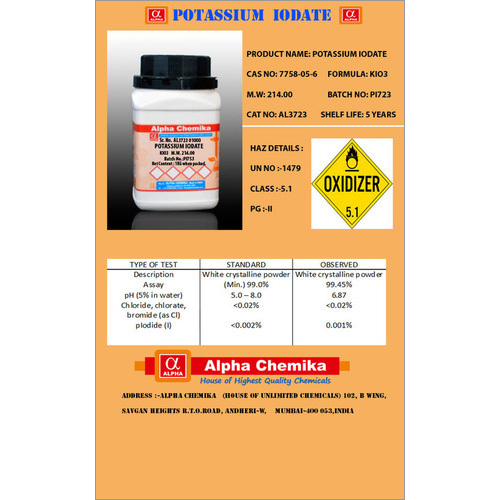
POTASSIUM IODATE
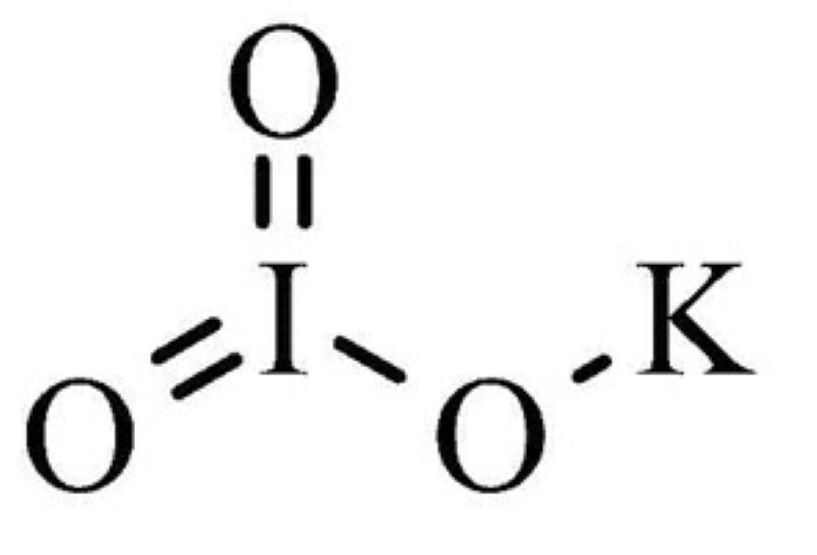
- KIO3 M.W. 214.00
- Minimum assay
- (iodometric) 99.0%
- pH (5% water)
- Maximum Limits of Impurities:
- Chloride, Chlorate,
- Bromide(as Cl) 0.02%
- Iodide(I) 0.002%
- Cas No: 7758-05-6 Un No. 5/1479 TARIFF : 2829 90 30
- R : 8 S : 17 F : 22
CERTIFICATE OF ANALYSIS
|
| Product Name |
POTASSIUM IODATE Extra Pure |
CAS Number |
06-05-7758 |
| Molecular Formula |
KIO 3 |
Catalogue No. |
AL3723 |
| Molecular Weight |
214 |
Batch Number |
| Manufacturing Date |
December-2023 |
Expire Date |
November-2028 |
|
|
|
|
STANDARD
|
OBSERVED
|
|
Description
Assay
pH (5% in water)
Chloride, chlorate, bromide (as Cl)
pIodide (I)
|
White crystalline powder
(Min.) 99.0%
5.0 i 8.0
<0.02%
<0.002%
|
White crystalline powder
99.45%
6.87
<0.02%
0.001%
|
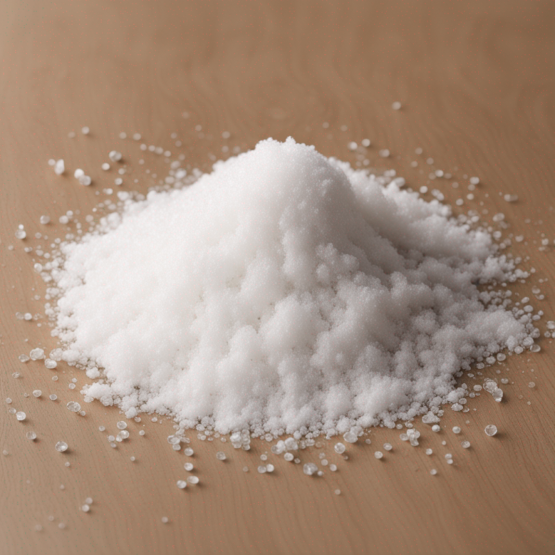
Reliable Quality and PurityPotassium Iodate is offered with a 99% purity level, making it suitable for laboratory analyses, food fortification, and reagent uses. It contains minimal impurities, ensuring lead content is below 0.0001%, iron below 0.001%, and moisture under 0.05%. The white crystalline powder provides consistency and reliability for critical applications where quality matters.
Versatile Applications and UsesThis compound finds extensive usage in iodization of salt, serving as an essential supplement to prevent iodine deficiency. Additionally, it is commonly employed as a food additive, analytical standard, and reagent. Due to its high solubility in water and stable shelf life, Potassium Iodate is ideal for both industrial and laboratory settings.
Safe Handling and PackagingPotassium Iodate must be handled with care, as it is harmful if swallowed. The product is delivered in robust HDPE bags or drums, ensuring secure storage and transport. To maintain its integrity, it is recommended to store in a cool, dry environment, away from moisture and direct sunlight.
FAQ's of Potassium Iodate:
Q: How should Potassium Iodate be stored to maintain its quality?
A: Potassium Iodate should be stored in a cool, dry place, away from moisture and direct sunlight. Using HDPE bags or drums helps preserve its integrity and prevent contamination.
Q: What are the common uses of Potassium Iodate?
A: Potassium Iodate is widely used as a food additive, analytical reagent, and for the iodization of salt. It is essential for preventing iodine deficiency and also finds use in laboratory and industrial processes.
Q: When is Potassium Iodate added to food products or salt?
A: Potassium Iodate is typically added during the manufacturing process of food products and during the iodization of table salt to fortify them with iodine, which is crucial for health.
Q: Where is Potassium Iodate commonly supplied from?
A: Potassium Iodate is manufactured, exported, and distributed by dealers, suppliers, and traders throughout India, catering to industrial, laboratory, and food sectors.
Q: What are the benefits of using Potassium Iodate in salt iodization?
A: Utilizing Potassium Iodate in salt iodization helps prevent iodine deficiency disorders in populations by ensuring sufficient iodine intake through regular salt consumption.
Q: Is Potassium Iodate safe to use and what precautions are necessary?
A: While Potassium Iodate is beneficial when used appropriately, it is harmful if swallowed in pure form. Proper handling, storage, and usage as per guidelines help ensure safety.
Q: How does Potassium Iodate's purity and low impurity levels enhance its suitability for analytical and food applications?
A: With 99% purity and minimal lead, iron, and moisture content, Potassium Iodate is highly reliable for food and laboratory uses, ensuring safety and accuracy in formulations and analyses.