AMARANTH About
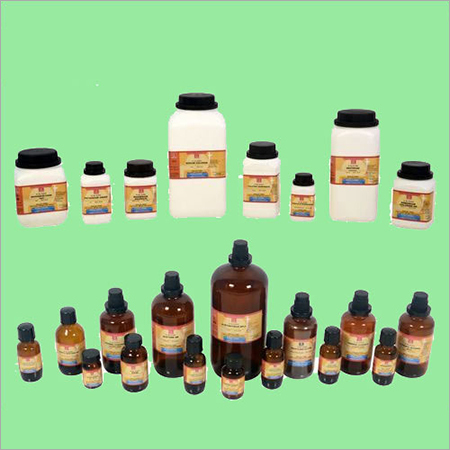
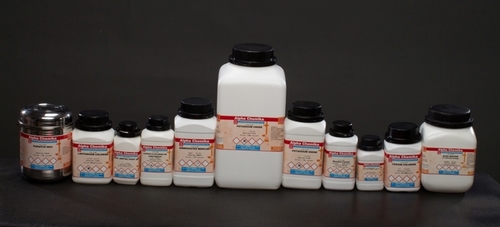
AMARANTH 25 g
C.I.No.16185m 10 x 25 gm
C20H11N2Na3O10S3 M.W. 604.48 1 kg
Indicator for iodate and bromate oxidimetry
Absorption maxima About 521 nm
CAS No. 915-67-3 Un No. NR TARIFF : 3204 19 84
R : 36/37/38 S : 26-36
High Purity for Reliable ResultsWith a purity of 99%, Amaranth meets stringent laboratory standards, ensuring consistency in research outcomes. Its water solubility and stable, neutral pH make it a preferred choice for precise analytical and research applications. The product's odorless nature adds to its convenience, making it suitable for sensitive laboratory environments.
Customisable Supply and PackagingAmaranth is available in customizable pack sizes, catering to both small-scale laboratories and large research facilities. Packaged securely in HDPE bags or drums, it maintains a two-year shelf life when stored in cool, dry conditions. A minimum order quantity of 25 kg makes it accessible for various commercial and academic users across India and abroad.
FAQ's of AMARANTH:
Q: How is Amaranth typically used in laboratory or research applications?
A: Amaranth serves as a coloring agent and pH indicator in laboratory settings, commonly utilized for analytical, titration, and research-specific processes. Its solubility in water and stable neutral pH make it highly effective for scientific experimentation.
Q: What are the storage requirements for Amaranth to maintain its quality?
A: Amaranth should be stored in a cool, dry place, securely sealed in HDPE bags or drums. Proper storage ensures its purity and effectiveness for up to two years from the date of packaging.
Q: What is the minimum quantity required for purchase, and can the packaging be customized?
A: The minimum order quantity (MOQ) for Amaranth is 25 kg. Packaging is customizable based on user requirements, with options like HDPE bags or drums available to suit diverse storage and handling needs.
Q: What benefits does Amaranth offer for laboratory use?
A: Amaranth offers high purity (99%), water solubility, and reliable performance, making it ideal for critical laboratory research. Its non-hazardous classification under GHS ensures safety when handled according to recommended guidelines.
Q: Where is Amaranth manufactured and exported from?
A: Amaranth is manufactured, supplied, and exported by dealers, manufacturers, and traders based in India, offering global reach for research and industrial customers alike.
Q: When should Amaranth be replaced in laboratory stocks?
A: To ensure maximum effectiveness, Amaranth should be used within its two-year shelf life. After this period, a replacement is recommended to maintain accuracy and reliability in research applications.


 English
 Spanish
 French
 German
 Italian
 Chinese (Simplified)
 Japanese
 Korean
 Arabic
 Portuguese










 Send Inquiry

 Send Inquiry


