


 English
 Spanish
 French
 German
 Italian
 Chinese (Simplified)
 Japanese
 Korean
 Arabic
 Portuguese


Periodic Acid Composition :
| Sr no. | Tests | Specifications | Results |
| 1 | Description | White crystalline powder | White crystalline powder |
| 2 | Assay (Min.) | 99% | 100.5.% |
| 3 | Melting point | 124-127C | 124C |

Price:
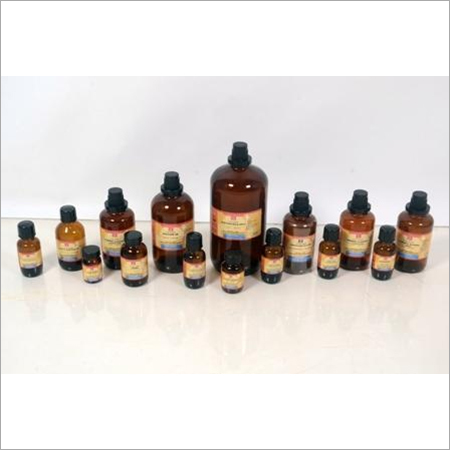
Other Names : Orthophosphorous Acid
Inorganic Acid Types : Phosphorous Acid
Application : Water Treatment, Agrochemicals, Chemical Synthesis
EINECS No : 2336631
Solubility : Soluble in water and alcohol
Molecular Weight : 82.00 g/mol
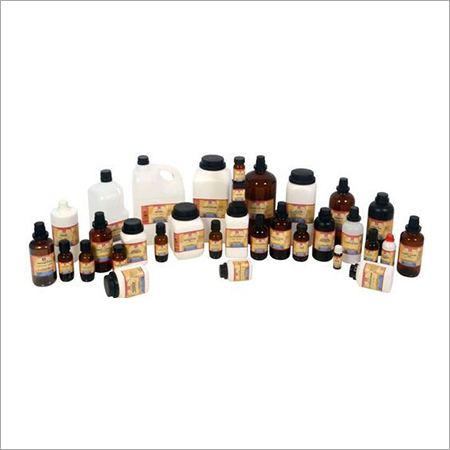
Other Names : Aqua fortis, Azotic acid
Inorganic Acid Types : Nitric Acid
Application : Industrial, Laboratory, Fertilizers, Explosives, Metal Processing
EINECS No : 2317142
Solubility : Miscible with water
Molecular Weight : 63.01 g/mol
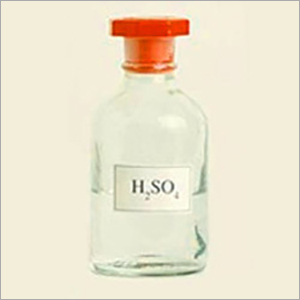
Other Names : Oil of Vitriol
Inorganic Acid Types : Others, Strong Acid
Application : Used in fertilizers batteries manufacturing and as a dehydrating agent
EINECS No : 2316395
Solubility : 100% in water
Molecular Weight : 98.079 g/mol
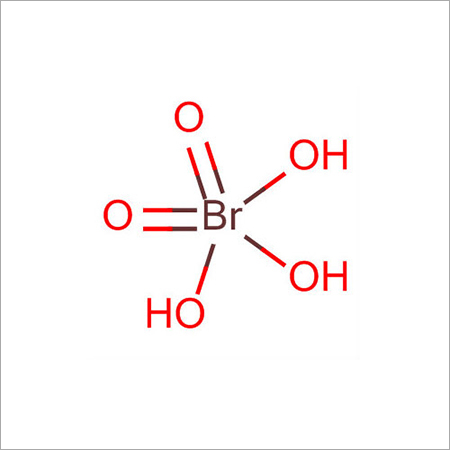
Other Names : Hydrogen bromide
Inorganic Acid Types : Hydrogen halides, Others
Application : Used in organic synthesis and as a reagent in industrial processes
EINECS No : 2331130
Solubility : Miscible in water
Molecular Weight : 80.91 g/mol
 Send Inquiry



|
 |
ALPHA CHEMIKA
All Rights Reserved.(Terms of Use) Developed and Managed by Infocom Network Private Limited. |

 Send Inquiry

 Send Inquiry


