About Azure B
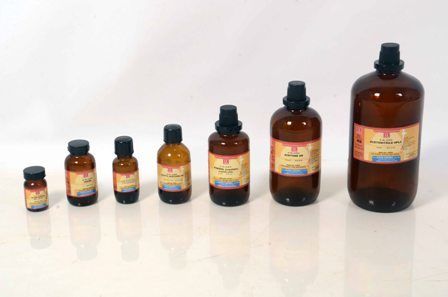
Azure B is effective for staining of chromosomes. It's a cationic dye, and component of the Romanowsky stain. Also, it is utilized for the localization of nucleic acids and staining of blood films. It is secure for the use and meets the industrial standard. The best and suitable dye is Azure B. Its alternative names are: Azure I, Methylene Azure, and Trimethylthionine chloride. The dye is used for staining semi-thin segments of the plant tissues, and for distinguishing DNA (blue-green) and cellular RNA (purplish). It is helpful in the methods such as NCCLS for blood smears and Nocht's for paraffin sections. We keep up with needful composition, chemical & physical properties, and safe packaging. One should prepare & use the solution on the same day.
Chemical Specifications of Azure B:-
- C.I. No. : 52010
- Formula : C15H16ClN3S
- M.W. : 305.83
- Absorption max. 648-655 nm
- Un No. : NR
- TARIFF : 3204 90 00
- R : 22 ; S : 22-24/25
- Beilstein Registry Number : 3922630
- Color Index Number : 52010
- EC Number : 208-511-2
- MDL Number : MFCD00011935
- PubChem Substance ID : 24890740
- Composition : Dye content, >89%
- Solubility : Water Soluble 1mg/ml
- Fluorescence : 648 in ethanol
- Melting Point : 205degC
- Dye Content : 90.0% min
- Loss on drying : 5.0%
Applications :-
- Azure B has been used for the staining of chromosomes.
- Used for the staining of blood films.
- Used for the localization of nucleic acids.
Versatile Laboratory Stain for Precision ResultsAzure B stands out for its high purity and efficacy in biological staining applications, particularly in the visualization of mucopolysaccharides and sulphated mucins. With compatibility for widely used staining protocols such as Romanowsky and Giemsa, Azure B ensures consistent results for laboratories and research institutions. Its stable, odorless powder form simplifies measurement and handling during experimental procedures.
Safe Handling & Optimal StorageThis laboratory dye is classified as an irritant, requiring basic safety precautions during use. Optimal storage involves keeping Azure B at room temperature, between 15-30C, in plastic bottles or HDPE drums. Avoid exposure to sunlight and humid environments to maintain product integrity for its 36-month shelf life.
Applications Across Diverse SectorsWhether used in microbiology, clinical research, or textile dyeing, Azure B adapts seamlessly to multiple applications. Its reliable solubility in water and alcohol, coupled with precise pH control (6.5-7.5), makes it a preferred choice for staining protocols and specialized scientific workflows.
FAQ's of Azure B:
Q: How is Azure B typically used in laboratory settings?
A: Azure B is primarily used for staining cellular components, particularly mucopolysaccharides and sulphated mucins, within biological samples. It is integral to Romanowsky and Giemsa staining protocols, offering distinct contrast for microscopic analysis in clinical, pathology, and research laboratories.
Q: What are the safety precautions when handling Azure B?
A: While Azure B is considered an irritant, it is important to use gloves, protective clothing, and eyewear during handling. Work in a well-ventilated area, and avoid inhalation or skin contact. Wash thoroughly after use and follow local safety regulations for disposal.
Q: When should Azure B be stored to maintain its quality?
A: To ensure longevity and effectiveness, Azure B should be stored at room temperature, ideally between 15C and 30C, in a cool and dry location, away from direct sunlight or moisture. Proper storage helps it maintain its properties for up to 36 months.
Q: Where can Azure B be applied outside analytical laboratories?
A: Beyond biological staining, Azure B finds application in textile dyeing processes due to its vivid color and solubility. Manufacturers, exporters, and traders in the dye industry often utilize it for both laboratory testing and commercial fabric coloration.
Q: What is the minimum order quantity and available packaging for Azure B?
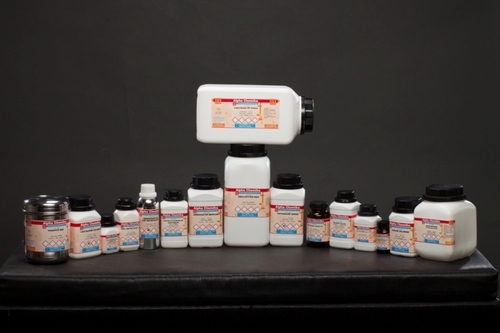
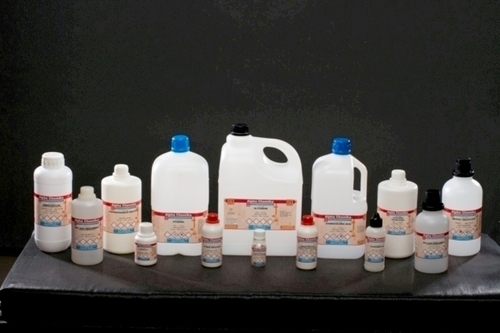
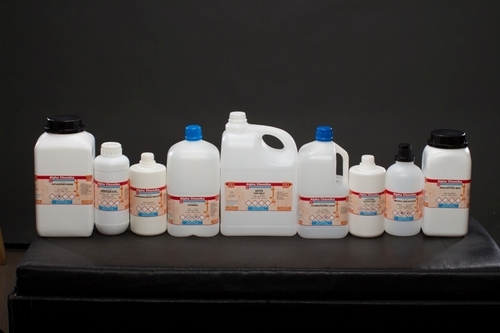
A: The minimum order quantity for Azure B is 25 grams, with packaging options including plastic bottles and HDPE drums. Larger quantities such as 100 g and 500 g sizes are also available to suit different scale needs.
Q: What benefits does Azure B offer for staining protocols?
A: Azure B delivers sharp, reliable staining results in biological specimens, enhancing contrast and detail during microscopic examination. Its high purity and consistent performance make it a trusted reagent in clinical diagnostics and research.


 English
 Spanish
 French
 German
 Italian
 Chinese (Simplified)
 Japanese
 Korean
 Arabic
 Portuguese








 Send Inquiry

 Send Inquiry


