


 English
 Spanish
 French
 German
 Italian
 Chinese (Simplified)
 Japanese
 Korean
 Arabic
 Portuguese


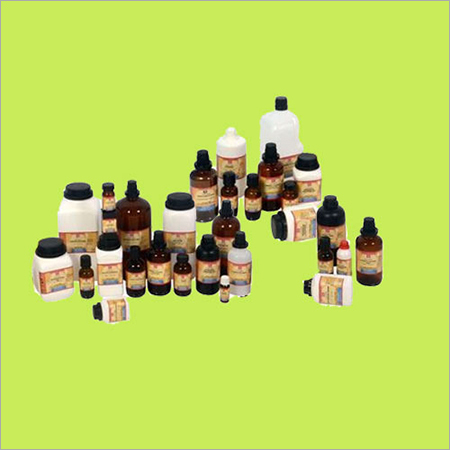
Stains and dyes play an essential role in the carrying out of microscopic analysis. Analysis cannot be conducted without these. Keeping this mind, we offer Chrysoidine Y to help in easy conducting of microbiological research work, biochemistry and many more. It helps in dying the components of cell, its protein and DNA/RNA in order to view them clearly. The chemical formula and molecular weight of the mentioned organic compound is C12H13N4Cl and 248.717 g/mol, respectively. It is odorless in nature and is slightly soluble in water. When reacts with acids, amides, inorganic fluorides, ketones, peroxides, etc., Chrysoidine Y tends to form toxic gases.

Price:
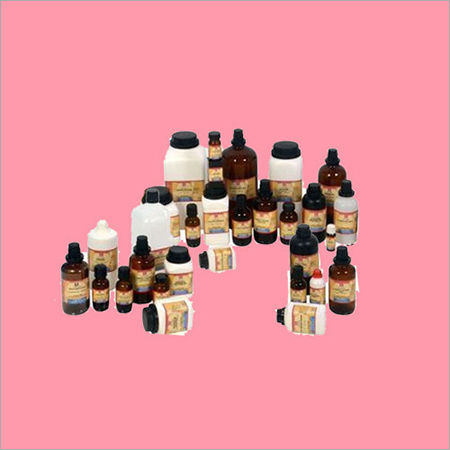
Price 772 INR / Gram
Minimum Order Quantity : 25 Grams
Size : 25g, 100g, 500g
Appearance : Red powder
Storage Instructions : Store in a cool, dry place, protected from light
Usage : For Microscopy and Laboratory Research
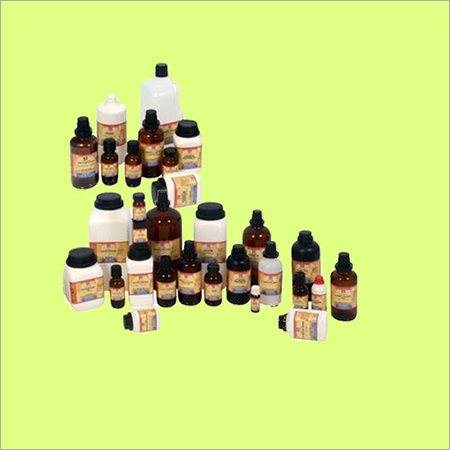
Price 30944 INR / Gram
Minimum Order Quantity : 500 Grams
Size : Typically available in 25g, 100g packaging
Appearance : Light Green
Storage Instructions : Store tightly closed in a cool, dry place away from sunlight
Usage : Microscopic and histological studies
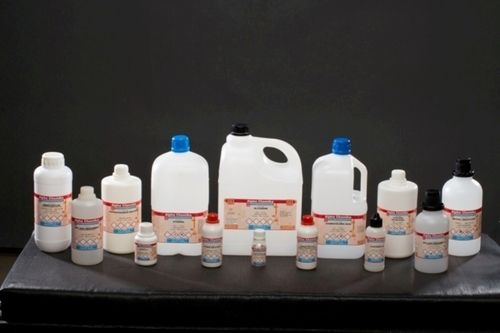
Minimum Order Quantity : 25GM Kilograms
Size : Custom packaging available
Appearance : Orange Red Powder
Storage Instructions : Store at room temperature, keep tightly closed, protect from light
Usage : Medical diagnostics, Laboratory reagent
Price 140 INR
Minimum Order Quantity : 125 Milliliters
Size : 1L, 5L, 20L
Appearance : Reddish Brown Liquid
Storage Instructions : Store in cool, dry place, away from heat and sunlight
Usage : Direct application on wood for color enhancement
 Send Inquiry



|
 |
ALPHA CHEMIKA
All Rights Reserved.(Terms of Use) Developed and Managed by Infocom Network Private Limited. |

 Send Inquiry

 Send Inquiry


