SILVER OXIDE Extra Pure About
SILVER OXIDE EXTRA PURE
- Ag2O M.W. 231.74 10
- Minimum assay(ex) 97%
- Maximum Limits of Impurities:
- Alkalinity 5 ml N%
- Nitrate(NO3) 0.05%
- Potassium(K) 0.01%
- Sodium(Na) 0.1%
- Cas No: 20667-12-3 Un No. 5.1/1479 TARIFF : 2843 29 00
- R : 8-41-44 S : 26-39 F : 27
- SILV
- NOTES
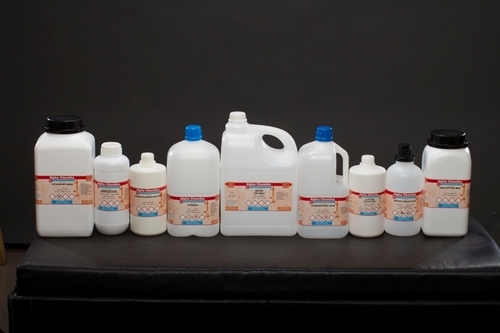
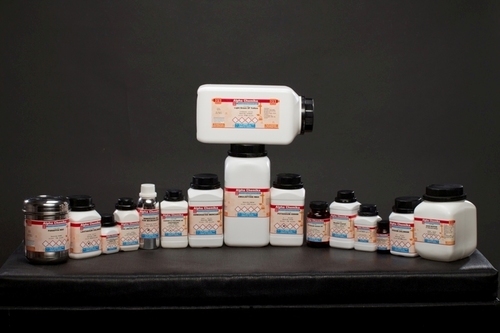
High-Purity Silver Oxide for Laboratory and Industrial UseSILVER OXIDE Extra Pure delivers consistent 97% purity, making it a preferred choice for laboratories and specialized industries. Its fine crystalline powder form ensures easy handling and precise measurement. The product is securely packaged in high-quality sealed or amber glass containers for guaranteed integrity throughout its shelf life of two years.
Versatile Applications Across Multiple FieldsThis silver oxide serves various purposes, from analytical reagent work and organic synthesis to vital roles in electronic components and batteries. Thanks to its oxidizing properties and stability, it provides reliable results in experimental and industrial settings, enhancing the efficiency and quality of chemical research and product development.
Safe Storage and Stability ConsiderationsDue to its sensitivity to light and oxidizing characteristics, SILVER OXIDE Extra Pure must be properly stored. Always keep it in tightly closed containers, away from direct sunlight and moisture, within a cool, dry environment. Adhering to these guidelines will help maintain its stability and ensure optimal performance during use.
FAQ's of SILVER OXIDE Extra Pure:
Q: How should SILVER OXIDE Extra Pure be stored to maintain its stability?
A: SILVER OXIDE Extra Pure should be stored in a tightly closed container, preferably a high-quality sealed bottle or amber glass container, placed in a cool, dry place, and protected from direct sunlight. Proper storage preserves its quality and prevents decomposition.
Q: What are the main uses of SILVER OXIDE Extra Pure in laboratories?
A: SILVER OXIDE Extra Pure is commonly utilized as an analytical reagent, a catalyst in organic synthesis, for preparing other silver compounds, and in manufacturing batteries and electronic devices due to its reliable oxidizing properties.
Q: When does Silver Oxide decompose, and what does it form upon decomposition?
A: Silver Oxide decomposes before reaching its boiling point, specifically at around 280 C. Upon thermal decomposition, it produces metallic silver and releases oxygen gas.
Q: Where should Silver Oxide not be combined or mixed during use?
A: Silver Oxide should not be mixed with strong acids, organic materials, or reducing agents, as it may react vigorously or cause hazardous conditions due to its oxidizing nature.
Q: What are the benefits of using high-purity Silver Oxide in research and industry?
A: Using high-purity Silver Oxide ensures accurate and reproducible results in analytical and synthetic processes. Its stability, consistent quality, and effectiveness as an oxidizer make it valuable for specialized applications.
Q: How is Silver Oxide safely processed or disposed of?
A: Silver Oxide requires careful handling as a hazardous material (UN 3077, Class 9). Disposal must follow local environmental safety regulations, typically through a licensed chemical waste disposal service to prevent contamination or breakdown hazards.
Q: What makes Silver Oxide Extra Pure suitable for use in electronics and batteries?
A: Silver Oxide's high purity, stability under recommended conditions, and excellent oxidizing properties make it suitable for electronic manufacturing and battery applications where reliable performance and safety are crucial.


 English
 Spanish
 French
 German
 Italian
 Chinese (Simplified)
 Japanese
 Korean
 Arabic
 Portuguese








 Send Inquiry

 Send Inquiry


