LIGHT GREEN (for microscopy) About
LIGHT GREEN FOR MICROSCOPY
(Light green SF yellowish)
C.I.No. 42095
C37H34N2Na2O9S3 M.W. 792.86
Dye content min. 80%
Absorption(in water) 629-634 nm
Loss on drying(1100C) max. 12%
(For electrophoresis and histology)
CAS No : 5141-20-8 Un No. NR TARIFF : 3204 90 00
R : 40 S : 36/37
Key Features and BenefitsLIGHT GREEN offers high purity, stable performance, and excellent solubility in water and ethanol, making it ideal for precise biological staining. Its main benefit is providing clear cytoplasmic differentiation in tissue sections, particularly in Masson's Trichrome staining. The dye is non-hazardous and odorless, ensuring a safer working environment in laboratories.
Applications in MicroscopyThis stain is commonly used in histological studies to color cytoplasm and muscle fibers, enhancing contrast in tissue samples. Its application is notable in Masson's Trichrome method, where it provides distinct coloration to distinguish collagen and other tissue components, making microscopic analysis more efficient and accurate.
Proper Handling and StorageAlthough LIGHT GREEN is considered non-hazardous, standard laboratory precautions are recommended. Store it in tightly sealed containers, in a cool and dry place, shielded from light. Adhering to these guidelines will help maintain the product's effectiveness and extend its shelf life up to three years.
FAQ's of LIGHT GREEN (for microscopy):
Q: How is LIGHT GREEN typically used in a laboratory setting?
A: LIGHT GREEN is primarily used as a biological stain for microscopy applications, most notably in Masson's Trichrome staining method. It highlights cytoplasm and muscle fibers in tissue sections, aiding in differentiating cellular structures for histological analysis.
Q: What are the benefits of using LIGHT GREEN in microscopy?
A: LIGHT GREEN provides high clarity and contrast for cytoplasmic staining in tissue samples. This makes microscopic observations more precise, especially in multiple staining protocols. Its high purity and solubility ensure consistent and reliable staining results.
Q: When should LIGHT GREEN be applied during staining procedures?
A: In protocols like Masson's Trichrome staining, LIGHT GREEN is typically applied after the nuclear and connective tissue stains to selectively color cytoplasmic components. Following recommended guidelines ensures optimal staining outcomes.
Q: Where should LIGHT GREEN be stored to maintain its stability?
A: Store LIGHT GREEN powder in a tightly closed bottle or vial, in a cool, dry place away from direct light. Proper storage preserves its high purity and extends its shelf life up to three years.
Q: What is the recommended process for disposing of LIGHT GREEN dye?
A: Dispose of LIGHT GREEN according to local environmental regulations, even though it is classified as non-hazardous. Avoid releasing it into public drains or the environment. Consult your institution's safety protocols for precise disposal procedures.
Q: How is LIGHT GREEN supplied, and what packaging options are available?
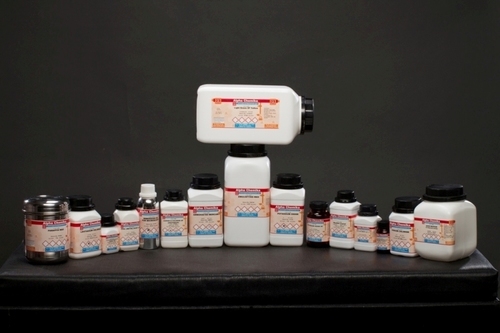
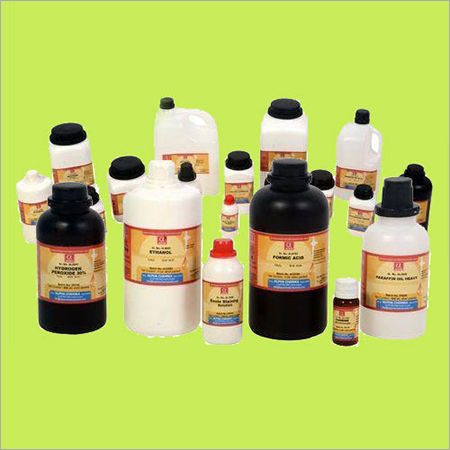
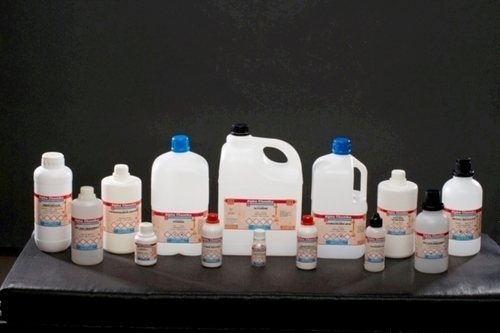
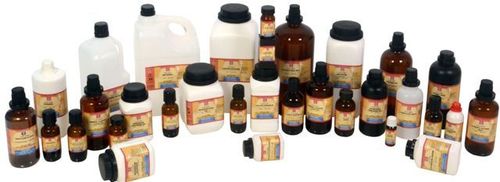
A: LIGHT GREEN is available in sealed bottles or vials, with various pack sizes such as 25g and 100g to suit different laboratory requirements. The secure packaging helps maintain product integrity during storage and transport.


 English
 Spanish
 French
 German
 Italian
 Chinese (Simplified)
 Japanese
 Korean
 Arabic
 Portuguese








 Send Inquiry

 Send Inquiry


