Methyl Violet for Microscopy About
Chemical Specifications :-
- Synonym : Basic Voilet1, Methyl Violet 2B
- Molecular Formula : C24H28CIN3
- Molecular Weight : 395.35
- CAS Number : 8004-87-3
- MDL Number : MFCD00012568
- HSN Code : 32041341
- CI : 42535
- Beilstein Registry Number : 8464808
- PubChem Substance ID : 329761888
- MP : 137 deg C
- Appearance : Greenish
- Appearance : Crystalline powder
- Loss on drying : Max. 8%
- pH : 1 -2
Versatile Staining Solution for LaboratoriesMethyl Violet is an indispensable reagent for biological and medical laboratories, aiding in the clear visualization of cellular and tissue structures. Suitable for use in a wide variety of staining techniques, it provides reliable results when applied to slides for microscopy. Its solubility in both water and alcohol ensures easy preparation for different laboratory protocols and applications.
Proper Storage and Handling GuidelinesMaintaining the efficacy of Methyl Violet requires storage in tightly closed glass or plastic bottles, shielded from light and moisture. Under appropriate storage conditions - cool, dry environments - the product retains its effectiveness for up to five years. Proper handling practices and the use of PPE protect laboratory personnel from potential irritation.
Applications in Microscopy and HistologyThis dye is optimized for staining cells and tissues, providing contrast to microscopic specimens. Its consistent color development makes it suitable for histology and cytology, enabling detailed observation of cellular components and structures. With its reliable staining capabilities, Methyl Violet is a trusted choice for scientific research and diagnostic laboratories.
FAQ's of Methyl Violet for Microscopy:
Q: How should Methyl Violet for Microscopy be stored to maintain its stability?
A: Methyl Violet should be stored in a cool, dry place within tightly closed glass or plastic bottles, away from light and moisture. Proper storage ensures its effectiveness for up to five years.
Q: What safety precautions are necessary when handling Methyl Violet?
A: As Methyl Violet is classified as an irritant, it is essential to avoid inhalation, ingestion, and contact with skin or eyes. Always use personal protective equipment such as gloves, goggles, and lab coats during handling.
Q: When is Methyl Violet typically used in laboratory procedures?
A: Methyl Violet is commonly used during staining processes in microscopy, histology, and cytology. It highlights cellular components and structures in biological samples, making them easier to observe and analyze under a microscope.
Q: Where can Methyl Violet be purchased and in what packaging sizes?
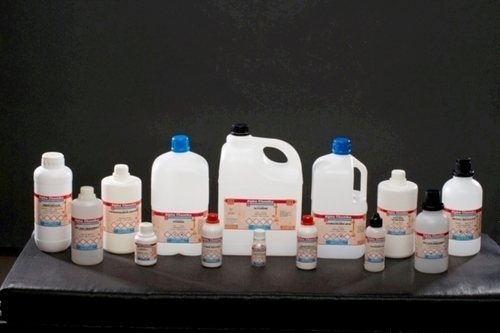
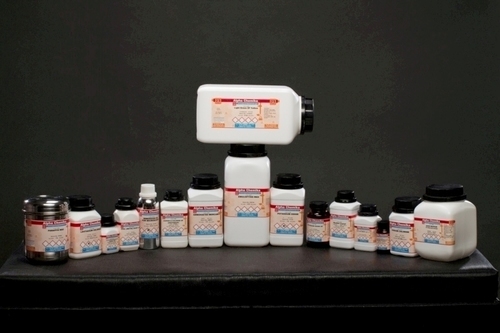
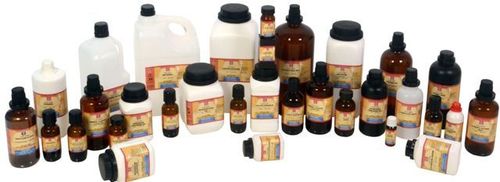
A: Methyl Violet is available from chemical dealers, exporters, manufacturers, retailers, suppliers, and traders in India. It is commonly packaged in sealed glass or plastic bottles and available in various sizes, such as 10g, 25g, and 100g.
Q: What makes Methyl Violet beneficial for microscopy applications?
A: Its high solubility ensures rapid and thorough staining of samples, producing clear contrast and facilitating detailed observation of biological structures. This enhances accuracy and reliability in microscopic analysis.
Q: How is Methyl Violet prepared for staining biological samples?
A: Typically, the dye is dissolved in water or alcohol to the required concentration. The prepared solution is then applied to biological samples, staining specific cellular components for visualization under the microscope.
Q: What is the recommended process for disposing of Methyl Violet after use?
A: Methyl Violet waste should be collected and disposed of following local laboratory hazardous waste disposal protocols. Avoid disposing of it down the drain due to its chemical properties and potential environmental impact.


 English
 Spanish
 French
 German
 Italian
 Chinese (Simplified)
 Japanese
 Korean
 Arabic
 Portuguese








 Send Inquiry

 Send Inquiry


