


 English
 Spanish
 French
 German
 Italian
 Chinese (Simplified)
 Japanese
 Korean
 Arabic
 Portuguese



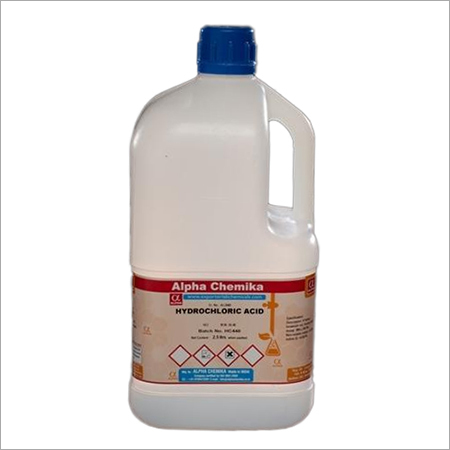
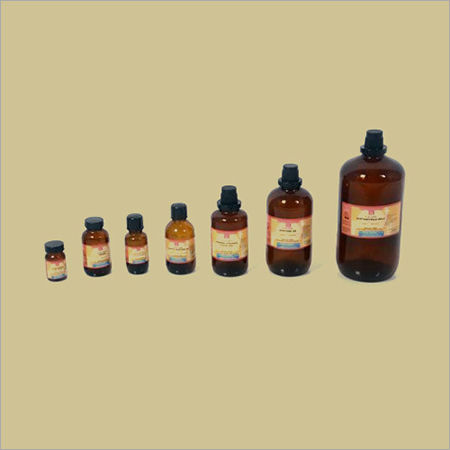
It is a strong inorganic acid, used in many industrial processes such as refining metal. We are named among the leading organizations engaged in offering Hydrochloric Acid. It forms hydrochloride salt when reacts with an organic base. We use premium quality compounds, sourced from certified vendors to process this acid. This acid is used in textile, plastic, food and pharmaceutical industry. Hydrochloric Acid is also used in the production of organic compounds such as vinyl chloride and PVC.
Features:
Composition :
| Tests | Specifications | Results |
| Description | A clear fuming liquid, not more than 10 hazen units in colour | A clear fuming liquid, not more than 10 hazen units in colour |
| Assay (Min.) | 35.4 % | 36.10% |
| Non-volatile matter | <0.001% | <0.001% |
| Free chloride (Cl) | <0.0002% | 0.00015% |
| Sulphate (SO4) | <0.0005% | 0.0003% |
| Sulphide (SO3) | <0.0001% | 0.00005% |
| Ammonium (NH4) | <0.0003% | 0.0002% |
| Arsenic (As) | <0.000002% | <0.000002% |
| Copper (Cu) | <0.00001% | <0.00001% |
| Iron (Fe) | <0.00004% | 0.00003% |
| Lead (Pb) | <0.00005% | <0.00005% |
| Aluminium (Al) | <0.00005% | <0.00005% |

Price:
Appearance : White powder
Refractive Rate : 1.8 (approx)
Application : Laboratory, Industrial
Boiling point : Sublimes at >3000C
CAS No : 10043115
Usage : industrial Laboratory
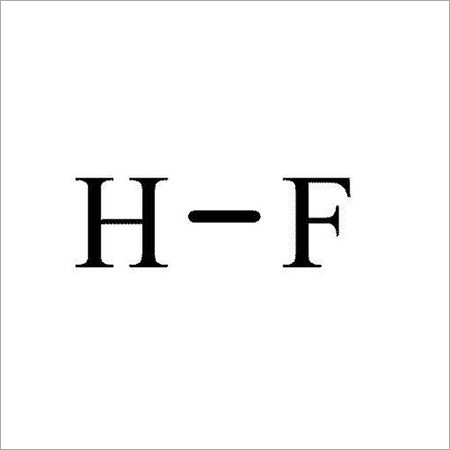
Appearance : Colorless, Fuming Liquid
Refractive Rate : 1.25 (approximate)
Application : Glass Etching, Metal Cleaning, Electronics Industry, Chemical Synthesis
Boiling point : Approximately 108C (40% solution)
CAS No : 7664393
Usage : Used as an industrial reagent, in etching glass, cleaning metals, and in other specialized chemical applications
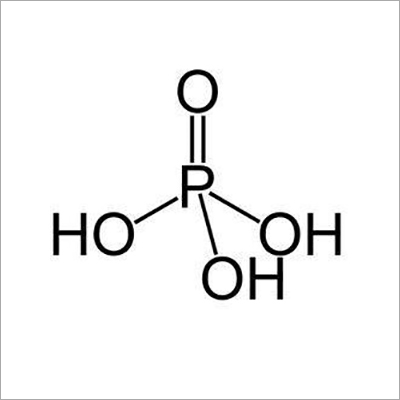
Appearance : Colorless, Clear, Syrupy Liquid
Refractive Rate : n20/D 1.433
Application : Analytical Reagent, Laboratory Use, Chemical Synthesis
Boiling point : 158 C (decomposes above this temperature)
CAS No : 7664382
Usage : Laboratory Analytical Reagent, Pharmaceuticals, Food Industry (with caution)
Appearance : Colorless to pale yellow liquid
Refractive Rate : n20/D 1.509
Application : Chemical Synthesis, Reducing Agent, Pharmaceutical Use, Laboratory Reagent
Boiling point : 127 C
CAS No : 10034852
Usage : Used in organic and inorganic synthesis, reduction processes, and pharmaceutical preparations.




|
 |
ALPHA CHEMIKA
All Rights Reserved.(Terms of Use) Developed and Managed by Infocom Network Private Limited. |

 Send Inquiry

 Send Inquiry


