Light Green Biological Stains About
LIGHT GREEN FOR MICROSCOPY
(Light green SF yellowish)
- C.I.No. 42095 100 gm
- C37H34N2Na2O9S3 M.W. 792.86
- Dye content min. 80%
- Absorption(in water) 629-634 nm
- Loss on drying(1100C) max. 12%
- (For electrophoresis and histology)
- CAS No : 5141-20-8 Un No. NR TARIFF : 3204 90 00
- R : 40 S : 36/37
Versatile Application in HistologyThis stain is most commonly employed in Masson's trichrome staining method, a histological technique used to distinguish between muscle, collagen fibers, and other tissue components. The high compatibility of Light Green Biological Stain with other dyes makes it an essential component for detailed microscopic analysis in biological research. Its moderate lightfastness supports reliable outcomes when utilized under recommended laboratory conditions.
Safety and Handling InformationLight Green Biological Stain is non-hazardous, classified as non-regulated for transport, and contains less than 10 ppm lead, ensuring safe use in laboratory environments. It does not carry a UN number and is odorless, making it user-friendly for regular laboratory operations. For optimal shelf life and stability, store the product in tightly sealed containers, away from direct sunlight and moisture.
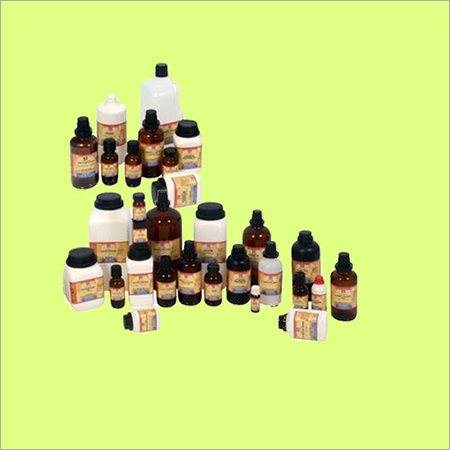
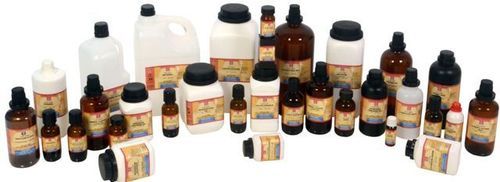
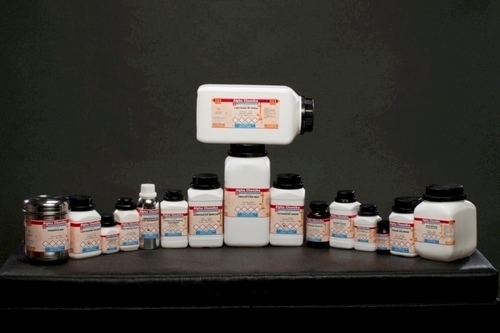
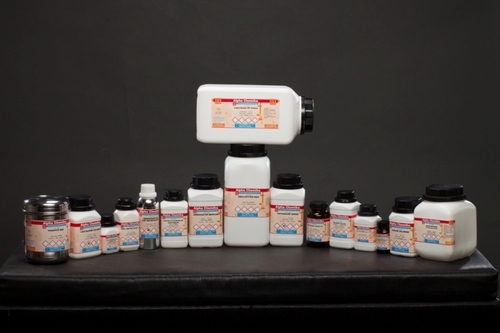
Packaging, Storage, and Shelf LifeAvailable in plastic bottles or HDPE jars, Light Green Biological Stain is typically supplied in 25g and 100g quantities. Its solid, powdery form remains stable for up to three years if stored in a cool, dry place. Make sure to keep the container closed securely when not in use to prevent moisture and light damage, preserving the quality and efficacy of the dye.
FAQ's of Light Green Biological Stains:
Q: How should Light Green Biological Stain be used in histological studies?
A: Light Green Biological Stain is commonly applied during Masson's trichrome staining procedures to distinguish between different tissue components. Prepare a solution in water or a suitable buffer, maintaining the pH between 6.0 and 8.0. The stain can be used in combination with other dyes for detailed microscopic examination of tissues.
Q: What are the benefits of using Light Green Biological Stain for microscopic applications?
A: The main benefits include its high compatibility with other histological stains, clarity in tissue differentiation, and odorless formula. Its moderate lightfastness and low lead content further enhance its safety and user-friendliness in laboratory environments.
Q: Where should Light Green Biological Stain be stored for best results?
A: Store the stain in a tightly closed container in a cool, dry location, away from sunlight. This helps maintain its stability and prolongs its shelf life to up to three years.
Q: What is the correct way to prepare solutions of Light Green Biological Stain?
A: Dissolve the powder in distilled water, as it is freely soluble in water and only slightly soluble in ethanol. Adjust the solution's pH to between 6.0 and 7.5 for optimal staining performance in biological samples.
Q: When should precautions be taken regarding light exposure during staining procedures?
A: Precautions are necessary because the dye has moderate lightfastness. Avoid prolonged exposure to strong light to prevent fading and ensure the quality of staining results.
Q: Is Light Green Biological Stain safe to use, and is it regulated as a hazardous material?
A: Yes, it is considered non-hazardous, does not require a UN number, and falls under non-regulated hazard class, making it safe for handling under standard laboratory conditions.
Q: What packaging options and quantities are available for this product?
A: Light Green Biological Stain is supplied in plastic bottles or HDPE jars, typically available in 25g and 100g packaging, suitable for both laboratory and bulk use.


 English
 Spanish
 French
 German
 Italian
 Chinese (Simplified)
 Japanese
 Korean
 Arabic
 Portuguese








 Send Inquiry

 Send Inquiry


