About 2,4-Dinitrophenylhydrazine
Product Details:
- Product Name : 2,4-Dinitrophenylhydrazine
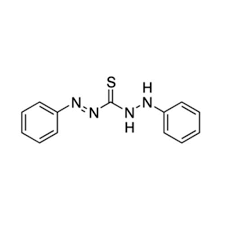
- IUPAC name : (2,4-Dinitrophenyl)hydrazine
- CAS Number : 119-26-6
- Chemical formula : C6H6N4O4
- Molar mass : 198.14 g/mol
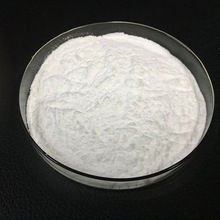
- Appearance : Red or orange powder
- Melting point : 198 to 202 C (388 to 396 F; 471 to 475 K) dec.
- Solubility in water : Slight
- Main hazards : Flammable, possibly carcinogenic
Precision Analytical Reagent for Laboratory Use2,4-Dinitrophenylhydrazine is manufactured to AR grade standards, ensuring optimal purity (99%) and performance for analytical laboratories. Its primary usage is in chromatography and chemical detection reactions, specifically in identifying aldehyde and ketone functional groups. Supplied in custom-packaged bottles or drums, this reagent is trusted by dealers, exporters, manufacturers, and researchers across India.
Safe Storage and Handling RecommendationsDue to its classification as a flammable solid (UN 1325, Hazard Class 4.1) and its sensitivity to shock and friction, DNPH must be stored with care. Always keep containers tightly closed in a cool, dry, and well-ventilated area, shielded from light and incompatible materials. Observing these guidelines ensures maximum shelf life and preserves product quality for up to five years.
FAQ's of 2,4-Dinitrophenylhydrazine:
Q: How should 2,4-Dinitrophenylhydrazine be safely stored and handled?
A: 2,4-Dinitrophenylhydrazine should be kept in a cool, dry location, away from direct light and incompatible materials. Use caution when handling, as the compound is sensitive to shock and friction and is classified as a flammable solid. Always work in a well-ventilated area and avoid sources of ignition.
Q: What is the primary use of DNPH in laboratory settings?
A: DNPH is chiefly employed as an analytical reagent for the qualitative and quantitative detection of aldehydes and ketones. It reacts with these carbonyl compounds to form colored hydrazones, which can then be analyzed by various chromatography techniques.
Q: When is DNPH preferred in analytical chemistry applications?
A: DNPH is preferred when rapid and specific identification of aldehydes or ketones is required, especially in chromatography and qualitative testing. Its high purity (99%, AR grade) and reliable reactivity make it a standard reagent in analytical protocols.
Q: Where can DNPH be used and who typically supplies it?
A: DNPH is used in research laboratories, educational institutions, and industrial settings involved in chemical analysis. It is supplied by dealers, exporters, manufacturers, retailers, and traders-particularly in India-with custom packaging options available as per the user's requirements.
Q: What benefits does DNPH offer compared to other reagents?
A: DNPH offers specificity in detecting aldehydes and ketones, forming stable derivatives that are easy to analyze. Its high purity and stability under recommended conditions provide accurate, reproducible results, making it advantageous for analytical and research applications.
Q: How is DNPH applied in the process of detecting aldehydes and ketones?
A: During analysis, a sample suspected of containing aldehydes or ketones is treated with DNPH. If these compounds are present, a yellow, orange, or red precipitate forms almost immediately, confirming their presence and allowing further quantitative assessment.


 English
 Spanish
 French
 German
 Italian
 Chinese (Simplified)
 Japanese
 Korean
 Arabic
 Portuguese










 Send Inquiry

 Send Inquiry


