Diphenylmethane About
Product Details:
- Product Name : Diphenylmethane
- Molecular Formula : C13H12
- Molecular Weight : 168.239 g/mol
- IUPAC Name : benzylbenzene
- CAS No : 101-81-5
- Exact Mass : 168.094 g/mol
- Monoisotopic Mass : 168.094 g/mol
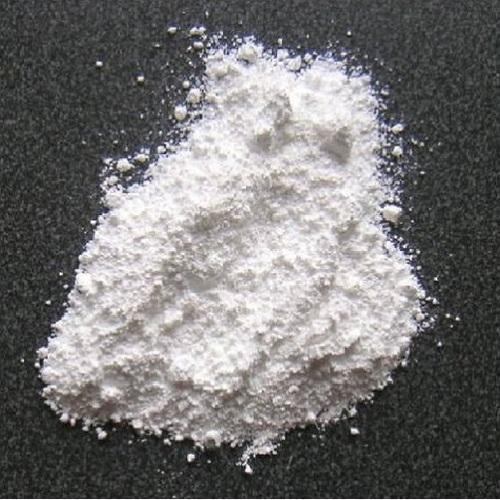
- Color/Form : Long, colorless needles
- Odor : Odor of oranges
- Boiling Point : 264.5 C
- Melting Point : 25.4 C
- Solubility : Freely soluble in alcohol, ether, chloroform, hexane, benzene; insoluble in liquid ammonia
Key Physical and Chemical PropertiesDiphenylmethane exhibits a refractive index of 1.575-1.579 and a density of 1.000 g/cm3. It transitions from a solid to a liquid at 22-24C (melting point) and boils at 262C. The substance is insoluble in water but readily dissolves in organic solvents, offering flexibility in diverse chemical reactions. Its stability, low vapor pressure (0.12 mm Hg at 25C), and high flash point (146C) make it suitable for safe handling.
Packaging and Storage GuidelinesFor optimal preservation, Diphenylmethane should be stored in a cool, dry, and well-ventilated area, away from ignition sources. It is typically packaged in 200 kg drums, but can be supplied in bottles or other sizes to meet specific requirements. The product boasts a three-year shelf life under proper storage conditions, ensuring reliability for industrial and laboratory users.
Industrial Applications and BenefitsThis chemical finds extensive use as an intermediate in organic synthesis, making it invaluable in fragrance and dye manufacturing. It is also employed as a solvent in a range of chemical processes. The combination of high purity, excellent stability, and adaptability in formulation processes ensures Diphenylmethane delivers consistent performance and quality in industrial production.
FAQ's of Diphenylmethane:
Q: How is Diphenylmethane typically used in industry?
A: Diphenylmethane serves primarily as an intermediate in organic synthesis. It is widely used in the manufacture of fragrances, dyes, and as a solvent, owing to its chemical stability and solubility in organic solvents.
Q: What are the recommended storage conditions for Diphenylmethane?
A: Store Diphenylmethane in a cool, dry, and well-ventilated area away from sources of ignition. Proper storage helps maintain its stability and effectiveness throughout its three-year shelf life.
Q: Where is Diphenylmethane commonly supplied and in what packaging sizes?
A: It is commonly supplied in India by manufacturers, exporters, dealers, and suppliers, typically in standard 200 kg drums. Customized packaging options, such as bottles, are also available based on user requirements.
Q: What is the process for handling and safety with Diphenylmethane?
A: Although Diphenylmethane is not classified as hazardous, it should still be handled with standard industrial safety procedures. Use personal protective equipment and avoid contact with ignition sources for safe usage.
Q: When does Diphenylmethane offer the most benefit in manufacturing processes?
A: Diphenylmethane demonstrates significant benefits when used as a high-purity intermediate in the production of fragrances, dyes, and solvents due to its consistent quality and compatibility with organic reactions.
Q: How does its solubility profile affect its industrial applications?
A: Being insoluble in water and soluble in organic solvents, Diphenylmethane is ideal for organic synthesis and industrial applications that require dissolution or mixing with organic compounds.
Q: What are the advantages of using Diphenylmethane with 99% purity?
A: High purity ensures fewer impurities in end products, enhances reaction efficiency, and improves consistency, making it particularly valuable for sensitive industrial and laboratory applications.


 English
 Spanish
 French
 German
 Italian
 Chinese (Simplified)
 Japanese
 Korean
 Arabic
 Portuguese








 Send Inquiry

 Send Inquiry


