


 English
 Spanish
 French
 German
 Italian
 Chinese (Simplified)
 Japanese
 Korean
 Arabic
 Portuguese


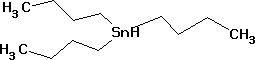
Tributyltin Hydride
LC5572 Tributyltin hydride
for synthesis
| Order number | Packaging | Quantity | Price |
| AC32572 | Glass bottle | 25 ml | 27.23 |
| AC32572 | Glass bottle | 100 ml | 99.00 |
| Product information | |
| Synonyms | Tributylstannane |
| Hill Formula | C12H28Sn |
| HS Code | 2931 00 99 |
| EC number | 211-704-4 |
| Molar mass | 291.06 g/mol |
| EC index number | 050-008-00-3 |
| CAS number | 688-73-3 |
| Chemical and physical data | |
| Ignition temperature | >250 C |
| Molar mass | 291.06 g/mol |
| Density | 1.10 g/cm3 (20 C) |
| Boiling point | 112 - 114 C (11 hPa) |
| Vapor pressure | 5 hPa (20 C) |
| Flash point | 109 C |
| Refractive index | 1.4726 (20 C, 589 nm) |
| Safety information according to GHS | |
| Hazard Statement(s) | H301: Toxic if swallowed. H312: Harmful in contact with skin. H372: Causes damage to organs through prolonged or repeated exposure. H319: Causes serious eye irritation. H315: Causes skin irritation. H410: Very toxic to aquatic life with long lasting effects. |
| Precautionary Statement(s) | P273: Avoid release to the environment. P302 + P352: IF ON SKIN: Wash with plenty of soap and water. P305 + P351 + P338: IF IN EYES: Rinse cautiously with water for several minutes. Remove contact lenses, if present and easy to do. Continue rinsing. |
| Signal Word | Danger |
| Hazard Pictogram(s | |
| RTECS | WH8675000 |
| Storage class | 6.1A Combustible substances, toxic |
| WGK | WGK 3 highly water endangering |
| Disposal | 26 Alkali and alkaline-earth metals should be taken up in an inert solvent and neutralized by adding 2-propanol (Cat. No. 100995) dropwise with stirring. Should the reaction be more violent than expected, conversion should be carried out with tert-butanol or octanol. Caution: This reaction produces hydrogen, which can form explosive mixtures; take necessary precautions. When the reaction has ceased, add water dropwise; neutralize; container D. In the case of alkali or alkaline-earth borohydrides, add methanol (Cat. No. 106008) with stirring; in the case of alkali or alkaline-earth amides and hydrides, organoaluminium and organotin hydrides, add 2-propanol (Cat. No. 100995) dropwise. The substances, which are usually in solid form, should be previously suspended in an ether! When the respective reaction has ceased, hydrolize with water; then neutralize. Container D or E. Lithium aluminium hydride must also be destroyed by slurrying in an ether. Under an inert gas and with thorough stirring, add dropwise a 1:4 mixture of ethyl acetate (Cat. No. 822277) and the ether used to prepare the slurry. Always ensure thorough mixing (stirring)! Container A. |
| Safety information | |
| R Phrase | R 21-25-36/38-48/23/25-50/53 Harmful in contact with skin.Toxic if swallowed.Irritating to eyes and skin.Toxic: danger of serious damage to health by prolonged exposure through inhalation and if swallowed.Very toxic to aquatic organisms, may cause long-term adverse effects in the aquatic environment. |
| S Phrase | S 35-36/37/39-45-60-61 This material and its container must be disposed of in a safe way.Wear suitable protective clothing, gloves and eye/face protection.In case of accident or if you feel unwell, seek medical advice immediately (show the label where possible).This material and its container must be disposed of as hazardous waste.Avoid release to the environment. Refer to special instructions/ Safety data sheets. |
| Categories of danger | toxic, irritant, dangerous for the environment |
| Hazard Symbol | Toxic Dangerous for the environment |
| Transport information | |
| Declaration (transport by sea) IMDG-Code | UN 2788 ORGANOTIN COMPOUND, LIQUID, N.O.S.(TRIBUTYLTINNHYDRIDE), 6.1, II, Marine Pollutant: P |
| Declaration (transport by air) IATA-DGR | UN 2788 ORGANOTIN COMPOUND, LIQUID, N.O.S.(TRIBUTYLTINNHYDRIDE), 6.1, II, |
| Specifications | |
| Assay (GC, area%) | 97 % |
| Density (d 20 C/ 4 C) | 1.100 - 1.102 |
| Identity (IR) | passes test |

Price:
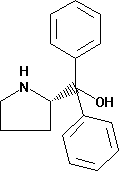
Minimum Order Quantity : 500 Milliliters
Purity(%) : 99.99
Type : Industrial Lab Chemicals
Grade : Industrial
Application : Lab Chemicals
Storage Instructions : Dry Place
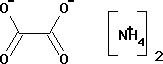
Minimum Order Quantity : 500 Millimeters
Purity(%) : 99.99
Type : Industrial Lab Chemicals
Grade : Industrial
Application : Lab Chemicals
Storage Instructions : Dry Place
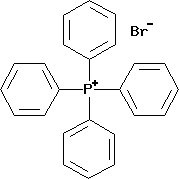
Purity(%) : 99.99
Type : Industrial Lab Chemicals
Grade : Industrial
Application : Lab Chemicals
Storage Instructions : Dry Place

Purity(%) : 99.99
Type : Industrial Lab Chemicals
Grade : Industrial
Application : Lab Chemicals
Storage Instructions : Dry Place



|
 |
ALPHA CHEMIKA
All Rights Reserved.(Terms of Use) Developed and Managed by Infocom Network Private Limited. |

 Send Inquiry

 Send Inquiry


