About 1,1,1,3,3,3-HEXAMETHYL DISILAZANE (HMDS)
1,1,1,3,3,3-HEXAMETHYL DISILAZANE (HMDS)
FOR SYNTHESIS
Bis(trimethylsilyl)amine
C6H19NSi2 M.W. 161.41
Assay(GC) Min 98%
Density(d200c/40c) 0.774-0.775
CAS NO : 999-97-3 Un No.3/2924 TARIFF: 2931 00 95
R: 11-20/21/22-34 S: 16-36/37/39-45
Versatile Chemical ApplicationsHMDS is primarily valuable as a silylating agent in organic synthesis, enabling the modification of surfaces and increasing product stability. Its utility extends into the microelectronics sector, where it plays a critical role in improving photoresist adhesion on silicon wafers. Due to its favorable reactivity and compatibility with organic solvents, it is a favored choice for laboratory and industrial applications.
Safe Handling and StorageGiven its flammable nature and ammonia-like odor, HMDS must be handled with care. Store in its original, tightly closed container in a cool, dry environment, away from heat or open flames. Always ensure proper ventilation during use. With a shelf life of 12 months, routine safety checks and adherence to storage instructions are essential for maintaining quality and safety.
FAQ's of 1,1,1,3,3,3-HEXAMETHYL DISILAZANE (HMDS):
Q: How should 1,1,1,3,3,3-Hexamethyl Disilazane (HMDS) be safely stored?
A: HMDS should be stored in a tightly sealed container, kept in a cool, dry place away from heat sources, open flames, and incompatible materials. Since it is a flammable liquid with a flash point of 18C, proper ventilation and safety procedures must be followed during both storage and handling.
Q: What are the main uses of HMDS in industry and research?
A: HMDS is primarily used as a silylating agent in chemical synthesis and as a surface treatment in microelectronics to enhance photoresist adhesion. It also serves as a laboratory reagent and is employed in the manufacturing of advanced electronic components due to its surface-modifying properties.
Q: When is it beneficial to use HMDS in laboratory synthesis?
A: HMDS is especially beneficial in laboratory synthesis when silylation of surfaces or molecules is required, as it helps to protect functional groups or improve surface properties, thereby facilitating downstream chemical reactions and enhancing overall product stability.
Q: Where can HMDS be purchased and in what packaging options?
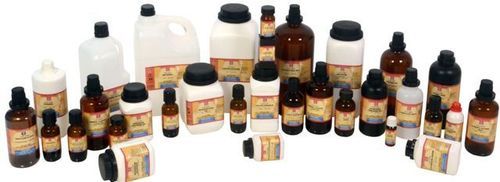
A: As a widely used chemical, HMDS can be sourced from dealers, exporters, manufacturers, retailers, suppliers, and traders in India. It is available in various sizes and is commonly packaged in sealed bottles or drums to maintain purity and safety during transportation and storage.
Q: What is the process by which HMDS enhances microelectronics manufacturing?
A: In microelectronics, HMDS is applied to silicon wafer surfaces before photoresist coating. It modifies the wafer surface, making it more hydrophobic, which significantly improves the adhesion and pattern fidelity of the photoresist, thereby enhancing the reliability of the photolithography process.
Q: How is HMDS advantageous compared to other silylating agents?
A: HMDS offers several advantages, including high reactivity, solubility in organic solvents, and stable performance under standard laboratory conditions. Its ability to efficiently modify surfaces and protect functional groups without excessive byproduct formation makes it a preferred choice for many applications.


 English
 Spanish
 French
 German
 Italian
 Chinese (Simplified)
 Japanese
 Korean
 Arabic
 Portuguese










 Send Inquiry

 Send Inquiry


